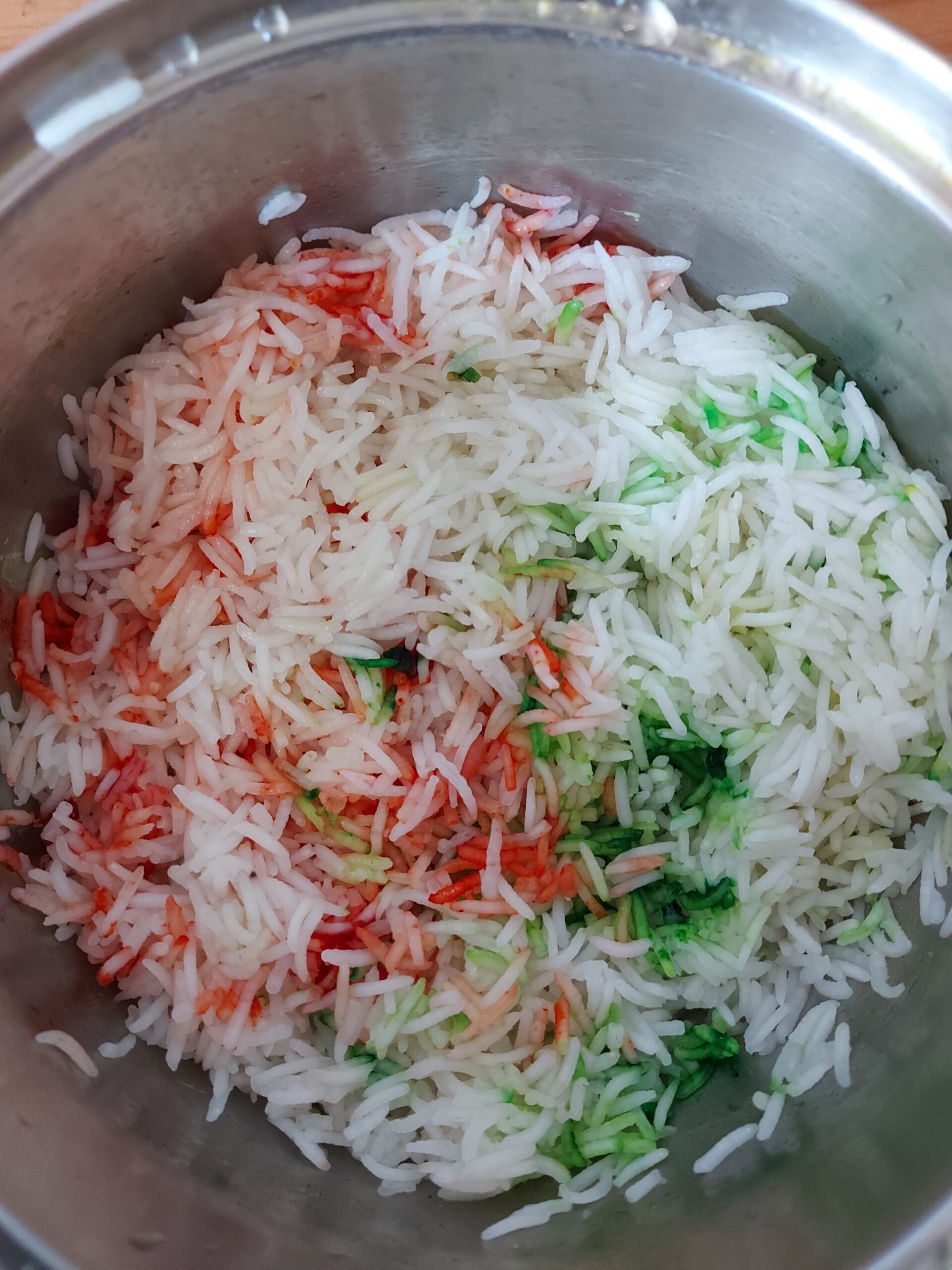
Authentic Pilau Rice: Recreate Indian Restaurant Flavors at Home
There's a universally acknowledged truth among lovers of Indian cuisine: the perfect curry demands the perfect accompaniment. And for many, that means a fragrant, fluffy plate of pilau rice. Far from being a mere side dish, a well-made pilau is a symphony of subtle spices, long, separate grains, and a delicate aroma that elevates any meal. The quest to recreate that exquisite taste and texture of pilau rice indian restaurant style at home can often feel daunting, but with the right techniques and a little know-how, you can master this culinary art. Forget sticky, bland rice; get ready to impress your taste buds and dinner guests with an authentic experience straight from your kitchen.The Essence of Authentic Pilau Rice: More Than Just Grains
What exactly makes restaurant-quality pilau rice so irresistible? It's a combination of factors: the distinctive aroma, the vibrant and inviting color (often a subtle yellow or off-white), and most importantly, the impeccable texture where each grain of rice stands distinct, light, and fluffy, never clumping together. This isn't just plain boiled rice; it's a dish cooked in an aromatic broth infused with whole spices, often with the addition of sautéed onions or other delicate ingredients that impart depth and character. Achieving this level of sophistication in your home cooking is entirely possible and immensely rewarding.Essential Ingredients for Restaurant-Quality Pilau Rice
The journey to perfect pilau rice indian restaurant style begins with selecting the right ingredients. Quality truly makes a difference here.Basmati Rice: The Foundation
The undisputed king of rice for pilau is Basmati. Its long, slender grains, distinct nutty aroma, and ability to cook up light and separate are unparalleled. Always opt for good quality, aged Basmati rice. Cheaper varieties might break during cooking or turn sticky. Look for brands that specify "extra long grain" or "aged Basmati." The aging process removes moisture, resulting in firmer grains that separate better.Aromatic Whole Spices: The Soul of Pilau
These are the unsung heroes, providing the characteristic fragrance and warmth that defines pilau. You'll typically need:- Green Cardamom Pods: Lightly bruised, these release a sweet, floral aroma.
- Cloves: Pungent and sweet, a few go a long way.
- Cinnamon Stick: A small piece imparts a woody, warm note.
- Bay Leaf: Adds a subtle, herbaceous depth.
- Cumin Seeds: Earthy and essential for that signature Indian flavour profile.
- Optional: Star Anise, Black Cardamom, or a couple of peppercorns can add further complexity.
The Supporting Cast: Onions, Ghee, and More
Beyond the rice and spices, a few other components are crucial:
- Ghee (Clarified Butter): While oil can be used, ghee provides an unparalleled nutty flavor and richness that is synonymous with authentic Indian cooking.
- Onions: Finely sliced onions, gently sautéed until translucent or lightly golden, add sweetness and a foundational flavour layer. For restaurant-style pilau, they often contribute to the subtle colour.
- Salt: Crucial for seasoning. Don't underestimate its importance in bringing out all the other flavors.
- Water or Vegetable Stock: The liquid medium in which the rice cooks. Stock will add more depth than plain water.
- Saffron Strands (Optional): For a truly luxurious touch and a beautiful golden hue, saffron infused in warm milk or water can be drizzled over the rice. Alternatively, a tiny pinch of edible yellow food coloring can achieve a similar visual effect.
Step-by-Step Guide: Achieving Perfect Pilau Rice Indian Restaurant Style
Mastering the technique is what transforms simple ingredients into an extraordinary dish. Follow these steps meticulously for consistently perfect results.Preparation is Key: Washing and Soaking
This is perhaps the most crucial initial step.
- Wash the Rice: Place the Basmati rice in a fine-mesh sieve or a bowl and rinse it thoroughly under cold running water. Agitate the rice gently with your hands. Continue rinsing until the water runs clear. This removes excess starch, which is the primary culprit behind sticky rice.
- Soak the Rice: Transfer the washed rice to a bowl and cover it with fresh cold water. Let it soak for 20-30 minutes. Soaking helps the grains hydrate evenly, leading to longer, fluffier rice that cooks consistently. Drain thoroughly just before cooking.
The Aromatic Infusion: Tempering Spices and Sautéing Onions
This step builds the flavour foundation.
- Heat 1-2 tablespoons of ghee or oil in a heavy-bottomed pot or saucepan over medium heat. A heavy bottom helps distribute heat evenly and prevents scorching.
- Add the whole spices (cardamom, cloves, cinnamon, bay leaf, cumin seeds). Sauté for 30-60 seconds until they become fragrant, being careful not to burn them.
- Add the finely sliced onions to the pot. Sauté gently until they soften and turn translucent, or for a slightly richer colour and sweeter flavour, continue until they are lightly golden brown.
Cooking to Perfection: The Absorption Method
This method ensures fluffy, separate grains. For even more in-depth techniques, delve into Mastering Indian Restaurant Style Pilau Rice at Home.
- Add the Rice: Gently add the drained Basmati rice to the pot with the spices and onions. Stir gently for about 1-2 minutes to coat the rice grains in the ghee and allow them to toast slightly. This step, called bhooning, further helps the grains separate.
- Add Liquid and Salt: Pour in the measured water or stock and add salt. The general ratio for Basmati rice is 1 cup of rice to 1.5 - 1.75 cups of liquid. For pre-soaked rice, aim for the lower end of the spectrum (1:1.5). Bring the mixture to a rolling boil over high heat.
- Simmer and Steam: Once boiling, reduce the heat to the absolute lowest setting. Cover the pot tightly with a lid. If your lid isn't very tight, you can place a clean kitchen towel under it to seal in the steam. Cook undisturbed for 12-15 minutes. Resist the urge to lift the lid!
- Resting: Once the cooking time is up, remove the pot from the heat but keep the lid on. Let the rice rest for another 10-15 minutes. This crucial resting period allows the steam to redistribute and the grains to firm up, preventing stickiness.
- Fluff and Serve: After resting, gently remove the lid. Using a fork, fluff the rice from the edges towards the centre. Be very gentle to avoid breaking the delicate grains. If using saffron, drizzle it over now and gently fold through.
Expert Tips & Tricks for Fluffy, Fragrant Grains
Beyond the basic steps, these professional secrets will truly elevate your pilau rice indian restaurant style.The Water-to-Rice Ratio: A Crucial Balance
This is often where home cooks go wrong. While a general 1:1.5 ratio is a good starting point for pre-soaked Basmati, remember that factors like the age of the rice, the type of pot, and even ambient humidity can affect the final outcome. It’s better to err on the side of slightly less water than too much. You can always add a tablespoon or two of hot water if it seems too dry, but you can't take it away!
Resting Time: The Secret to Separate Grains
The 10-15 minute resting period after cooking is non-negotiable. It allows the rice to finish cooking with residual heat and for the steam to evenly distribute moisture, resulting in perfectly separate, fluffy grains. Skipping this step often leads to mushy or inconsistently cooked rice.
Gentle Handling: Avoiding Mushy Rice
Basmati grains, especially after soaking, are delicate. Vigorous stirring will break them, leading to a starchy, mushy texture. Always stir gently during the initial coating phase, and fluff with a fork, never a spoon, after cooking.
Adding Color and Aroma: Saffron and Food Coloring
For that authentic restaurant look, a few strands of saffron steeped in warm milk or a tiny amount of yellow food coloring diluted in water can be swirled through the cooked rice before resting, or drizzled over and gently folded in at the end. For more details on this, and to uncover more `secrets to perfect fluffy pilau rice`, just like your favourite Indian eatery, explore our guide on Secrets to Perfect Fluffy Pilau Rice Like Your Favorite Indian Eatery.
